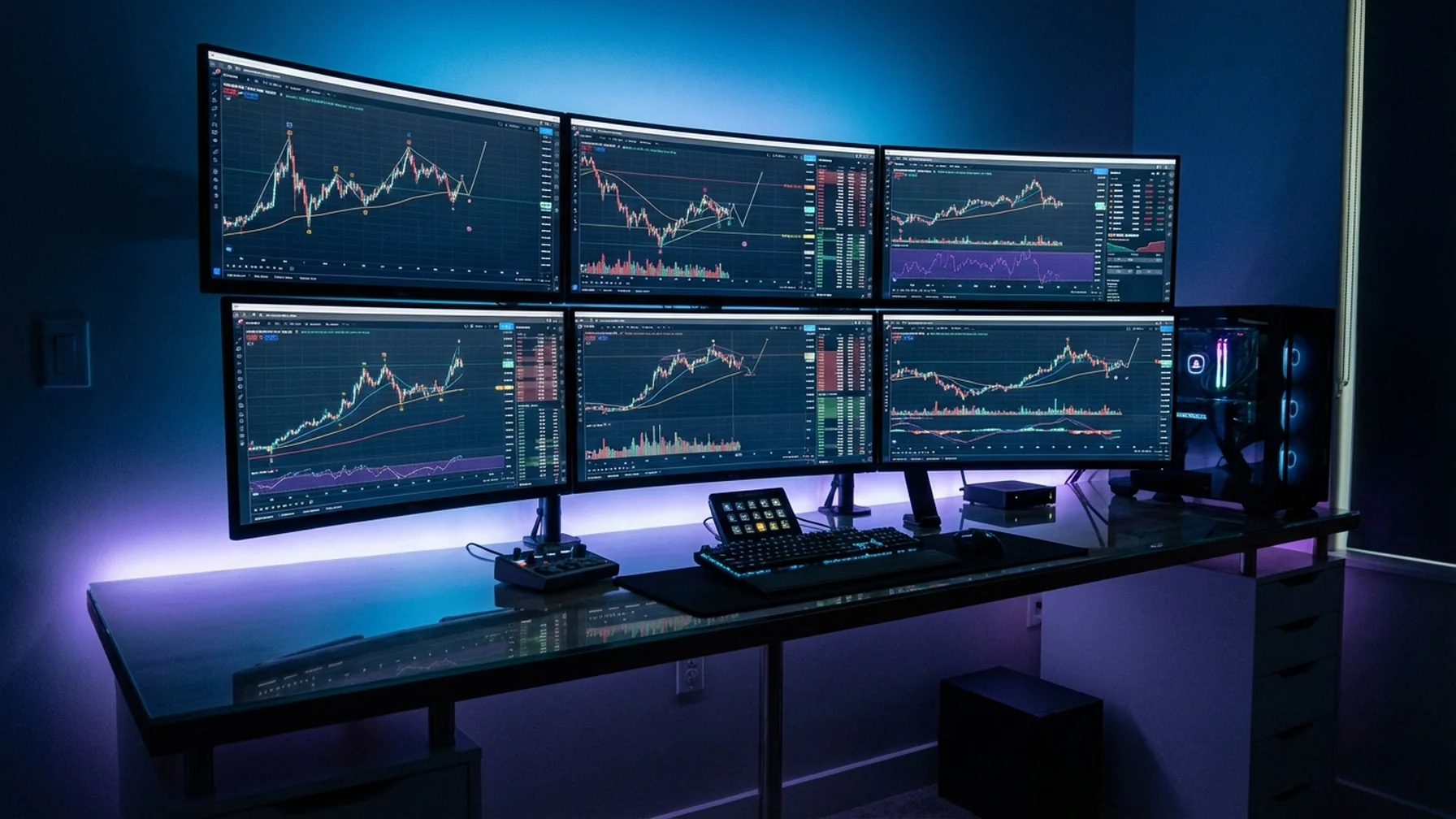
How to Create a Crypto Trading Plan Template

Creating a crypto trading plan template is essential for anyone looking to trade cryptocurrencies effectively. A well-crafted plan helps maintain discipline, manage risks, and refine your trading strategy. This guide will walk you through the necessary steps to develop a comprehensive crypto trading plan.
Analyzing Market Dynamics: Technical Analysis
Technical analysis is a key component of any crypto trading plan. It involves interpreting market data to forecast future price movements. Understanding this analysis is crucial for making informed decisions.
- Chart Patterns: Learn to recognize patterns that signal potential price movements.
- Support and Resistance: Identify price levels where trends may change.
- Indicators: Utilize tools like MACD, RSI, and moving averages for insights.
By mastering technical analysis, traders can anticipate market trends and execute trades with greater confidence.
Crafting Trading Strategies: Day vs. Swing Trading
Choosing the right trading strategy is vital. Day trading and swing trading are two popular approaches.
Here's a quick comparison of the two strategies:
| Aspect | Day Trading | Swing Trading |
|---|---|---|
| Time Frame | Intra-day | Several days to weeks |
| Decision Speed | Requires quick thinking | Allows time for analysis |
| Focus | Short-term indicators | Long-term trends |
Each strategy requires a distinct approach and can be effective based on your trading style and risk tolerance.
Day Trading Techniques
Day trading involves making multiple trades within a single day. It's fast-paced and requires a keen eye for detail.
- Utilize volume analysis to detect shifts in buying or selling pressure.
- Apply crypto scalping strategies to profit from minor price changes.
- Examine the order book for insights into market depth and liquidity.
Swing Trading Techniques
Swing trading focuses on capturing price movements over longer periods. It demands patience and a broader market view.
- Use Fibonacci retracement to find potential reversal points.
- Observe trend reversals to position ahead of market shifts.
- Apply the Elliott Wave Theory to forecast price movements.
Both trading styles can be effective, but the choice depends on your personal preferences and market outlook.
Risk Management Essentials
Managing risk is fundamental for sustainable trading success. Implementing effective risk management strategies can protect your capital.
- Stop Loss Orders: Set predefined exit points to limit losses.
- Leverage Awareness: Understand and control leverage to avoid significant losses.
- Portfolio Diversification: Spread investments to reduce risk exposure.
Proper risk management ensures that your trading activities remain safe and profitable over the long term.
Understanding Trading Psychology
Trading psychology significantly influences decision-making and performance. Cultivating the right mindset is crucial for success.
- Maintain discipline and avoid emotional trading.
- Establish a routine to enhance focus and consistency.
- Review trades regularly to learn from successes and failures.
Adopting a disciplined approach to trading psychology will help you stick to your plan and grow as a trader.
Testing Your Trading Plan: Backtesting and Paper Trading
Before implementing your trading plan in live markets, it's essential to test its effectiveness through backtesting and paper trading.
- Backtesting: Analyze historical data to evaluate your strategies.
- Paper Trading: Practice trading in a simulated environment without risking real money.
These methods help identify strengths and weaknesses in your plan, allowing adjustments before risking actual capital.
Creating Your Crypto Trading Plan Template
Now that you know the key elements, it's time to build your crypto trading plan template. Here’s a structured approach:
- Define Your Goals: Clearly state your short-term and long-term objectives.
- Select Your Strategy: Choose the trading strategies that align with your goals and risk tolerance.
- Risk Management Plan: Detail your approach to managing risks, including leverage use and stop loss.
- Analysis Tools: List the technical analysis tools you will utilize.
- Performance Monitoring: Regularly review and adjust your trading plan based on performance.
By following this structure, you can create a personalized trading plan template that guides your trading activities and helps achieve your financial goals.